Label Your Perennials Before They Disappear for Winter
Every fall the same thing happens. The hostas fold up, the daylilies turn brown, and by Thanksgiving the bed looks empty. Come April, you’re standing there with a shovel wondering what’s sleeping under the mulch.
That’s why early November is one of the best times to label your garden. You can still see what’s what, and the ground isn’t frozen yet.
1. Walk the beds before the last leaves go
Take a notepad (or your phone) and write down every perennial while you can still spot it. Pay extra attention to plants that disappear completely in winter, like hostas, ferns, bleeding hearts and late risers like balloon flower.
2. Put a marker right next to each plant
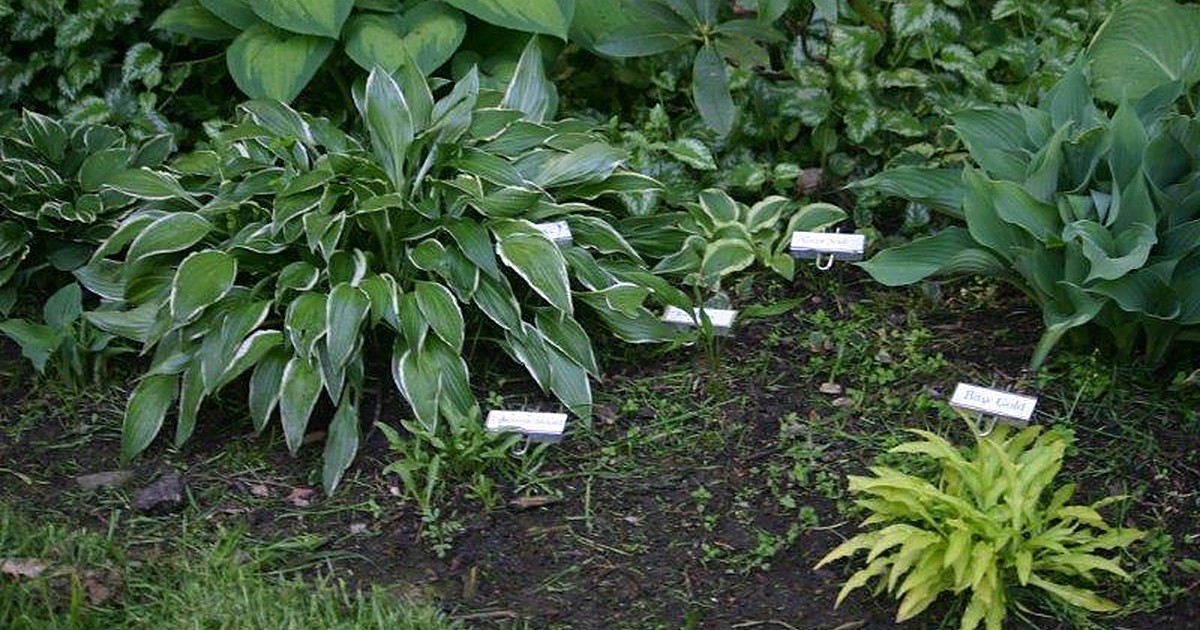
Push the marker in a few inches from the crown so you don’t hit the roots. A sturdy wire stake holds up to frost heave much better than a plastic tag. Our stainless steel markers won’t rust, so you can set them now and forget them. See them all on our Plant Markers page.
3. Write a name that lasts
Sun, snow and rain fade most pens fast. For names that last, use a laminated label tape, an engraved label, or a paint pen. Our How to Label Plants guide walks through each one.
4. Mark spring bulbs too
If you’re planting tulips or daffodils this month, mark the spot. It saves you from planting right on top of them next fall.
5. Bring the herb garden along
Labeling the herb bed? Our Engraved Herb Labels come as a Set of 10. Pick any 10 of 20 herbs, in 17 colors, with stainless steel stakes, for $24.60. They make a nice Christmas gift for the cook in the family, too. More ideas are in our Gifts for Gardeners post.
Gnorman, our garden gnome, says it best: a few minutes with a marker this fall saves a lot of guessing next spring.
Kincaid Plant Markers is a family business in Savannah, Missouri, making plant markers in the USA since 2006.
For peonies, hostas, daylilies and more, see our engraved flower label guides.
